Caring for a cat with chronic kidney disease can involve a lot of small daily details.
Appetite, water intake, medications, litter box changes, weight, energy, vomiting, and vet instructions can all start to blur together when you are trying to remember everything from day to day.
A simple daily CKD care log can make those details easier to track without turning your routine into a complicated project.
The goal is not to record every moment. It is to keep the information that may help you notice changes over time and give your veterinarian a clearer picture of what has been happening at home.
Keep the Daily Check-In Simple
A daily CKD log should be quick enough that you will actually keep using it.
Instead of writing long notes every day, focus on a few consistent details such as appetite, medications, water or litter box changes, energy, vomiting, and anything else that seems different from your cat’s normal routine.
You can use simple notes like “normal,” “less than usual,” or “more tired today” when exact measurements are not needed.
Consistency matters more than creating a perfect record.
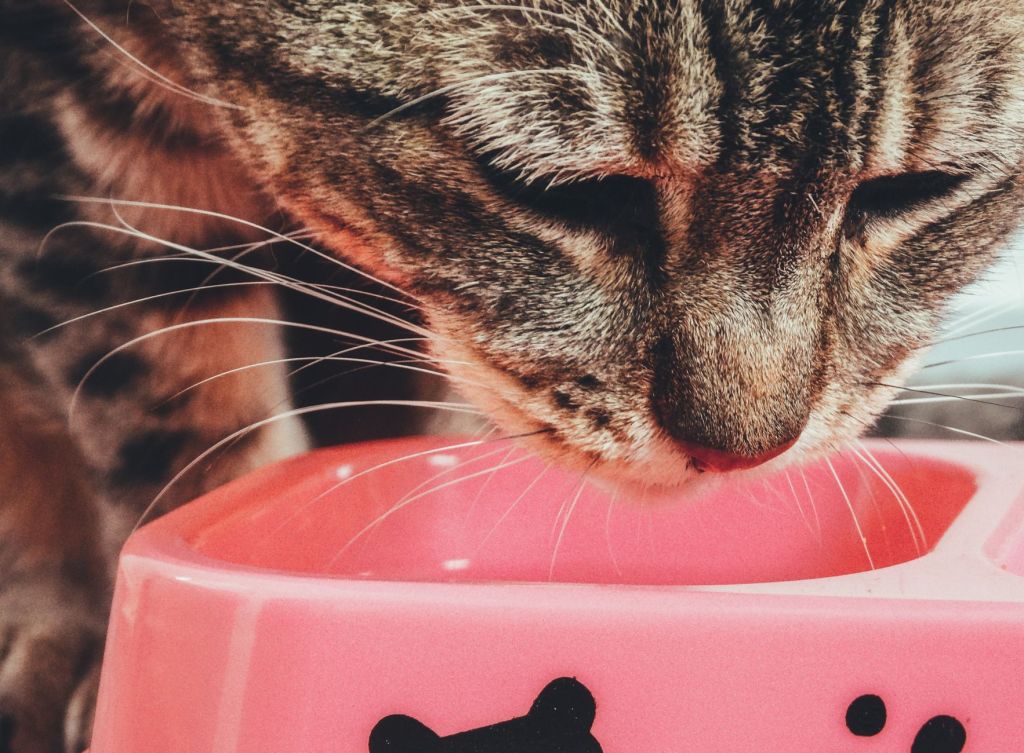
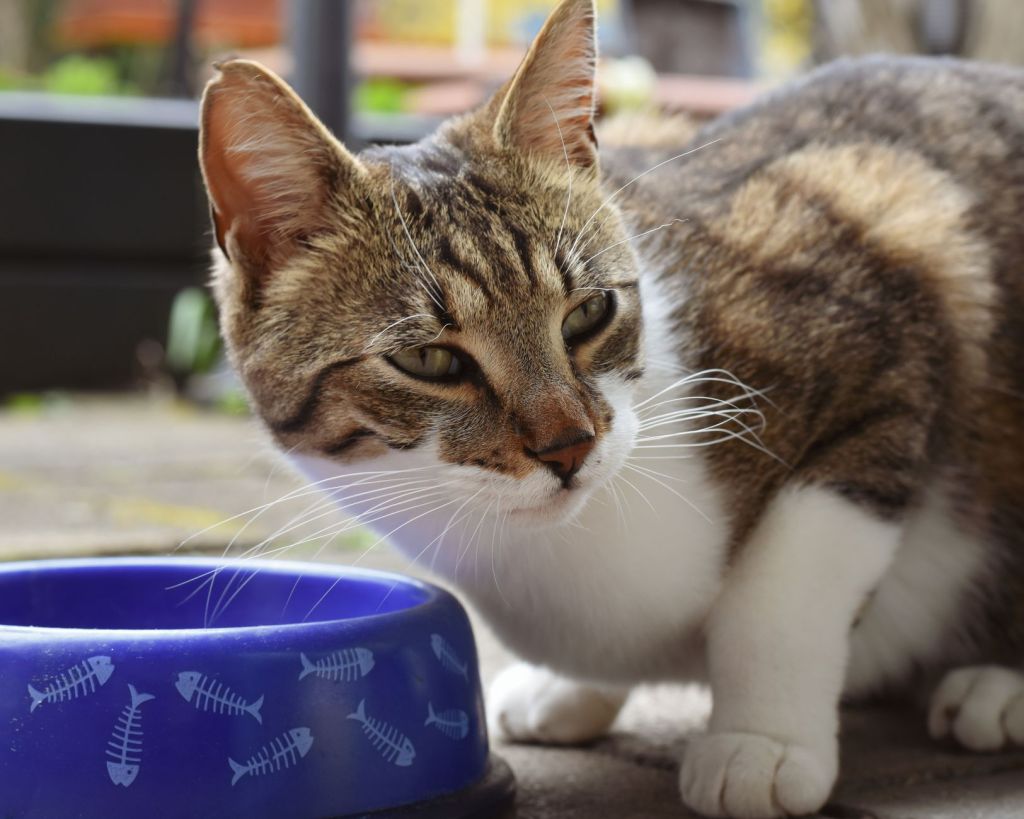
Track Appetite the Same Way Each Day
Choose one simple way to record appetite and use it consistently.
For example, you might write “ate normally,” “ate some,” “ate very little,” or “didn’t eat.”
You can also note whether your cat seemed interested in food, walked away quickly, or only wanted certain foods.
Using the same kind of notes each day makes it easier to look back and see whether appetite is changing over time.
If your cat stops eating or you notice a significant change in appetite, contact your veterinarian.
Note Changes in Drinking and Litter Box Habits
You do not need to measure every sip of water unless your veterinarian has asked you to.
Instead, note whether your cat seems to be drinking more or less than usual and whether you are noticing changes in the litter box.
You might write down things like larger urine clumps, more frequent trips to the box, or anything else that seems different from your cat’s normal routine.
These simple observations can be useful when you look back over several days or discuss changes with your veterinarian.
Record Medications and Treatments
Write down any medications, supplements, or treatments your cat receives that day.
Include the name, time given, and any notes your veterinarian has asked you to watch for.
If your cat receives subcutaneous fluids, record the date and amount exactly as prescribed by your veterinarian.
Keeping this information in the same daily log can make it easier to avoid missed doses and gives you a clearer record to review at veterinary appointments.
Keep a Simple Weight Record
Weight changes can be difficult to notice when you see your cat every day.
If your veterinarian recommends regular weigh-ins, record your cat’s weight using the same scale and a similar routine each time.
You do not necessarily need to weigh your cat every day. The goal is to keep a consistent record so gradual changes are easier to spot.
A simple entry with the date and weight can be enough to make trends much clearer over time.
Notice Changes in Energy and Behavior
Some of the most useful daily notes are simply observations about how your cat seems to feel.
Write down if your cat is more tired than usual, hiding more, less interested in favorite activities, unusually restless, or behaving differently from their normal routine.
You do not need to decide what the change means. Just record what you notice.
Looking back over several days can make gradual changes easier to recognize and easier to describe to your veterinarian.
Write Down Vomiting or Other Changes
If your cat vomits, seems nauseated, has diarrhea, or shows another change from their normal routine, write it down.
Include the date, approximate time, what happened, and anything else you noticed around the same time.
A single note may not tell you much, but several entries over time can make patterns easier to recognize.
If vomiting becomes frequent, your cat stops eating, or you notice another sudden or concerning change, contact your veterinarian.
Review the Log for Patterns
A daily entry only takes a moment, but looking back over several days or weeks can make the information much more useful.
You may notice that appetite has gradually changed, weight is trending down, vomiting is happening more often, or your cat seems less active than before.
Bring those patterns to your veterinary appointments instead of trying to remember everything on the spot.
The log is not meant to diagnose changes. It simply gives you a clearer record to discuss with your veterinarian.
For a broader overview of CKD record-keeping, see what to track for a cat with kidney disease. You can also keep lab results, medications, and veterinary notes together in a pet medical binder.
Make Daily CKD Care Easier to Track
When you’re tracking the same details every day, it helps to have one consistent place to keep everything.
That’s why I created the Pet Peace Plans Cat CKD Care Tracker — to help cat owners organize appetite, weight, medications, fluids, daily changes, vet visits, and other notes they may want to discuss with their veterinarian.
Instead of relying on memory or scattered notes, you can keep your cat’s day-to-day information together and look back at changes over time.
A Simple Daily Record Can Make Changes Easier to See
Caring for a cat with CKD can involve a lot of small details that are easy to forget from one day to the next.
A simple daily log can help you keep those details together and make gradual changes easier to recognize.
You do not need to track everything perfectly. Focus on the information that is most useful for your cat’s care and the conversations you have with your veterinarian.
A few consistent notes each day can give you a much clearer picture over time.
Pet Peace Plans provides educational and organizational resources for pet owners. This article and our products are not veterinary advice and are not intended to diagnose, treat, cure, or prevent disease. Always talk with your veterinarian about your cat’s individual health, medications, treatments, and CKD care.