When your cat is diagnosed with chronic kidney disease, it can suddenly feel like there is a lot to remember.
When did she last eat well? Has she been drinking more? Did you give today’s medication? What was her weight at the last vet appointment? Was that vomiting episode yesterday or three days ago?
Even when you’re paying close attention, those little details can start running together. And when your veterinarian asks how things have been going since the last visit, remembering exactly what changed — and when — isn’t always easy.
That’s where keeping a simple cat kidney disease tracker can help.
You don’t need to record every little thing your cat does. The goal is simply to keep useful information in one place so you can notice changes more easily and have better information available when you talk with your veterinarian.
Why Track Your Cat’s CKD Care?
Chronic kidney disease can affect things like appetite, weight, thirst, urination, energy, and overall routine. Those changes may happen gradually, which can make them harder to notice from day to day.
Keeping a simple record can help you spot patterns over time instead of relying on memory. It also gives you useful information to bring to veterinary appointments.
Keep an Eye on Appetite and Eating
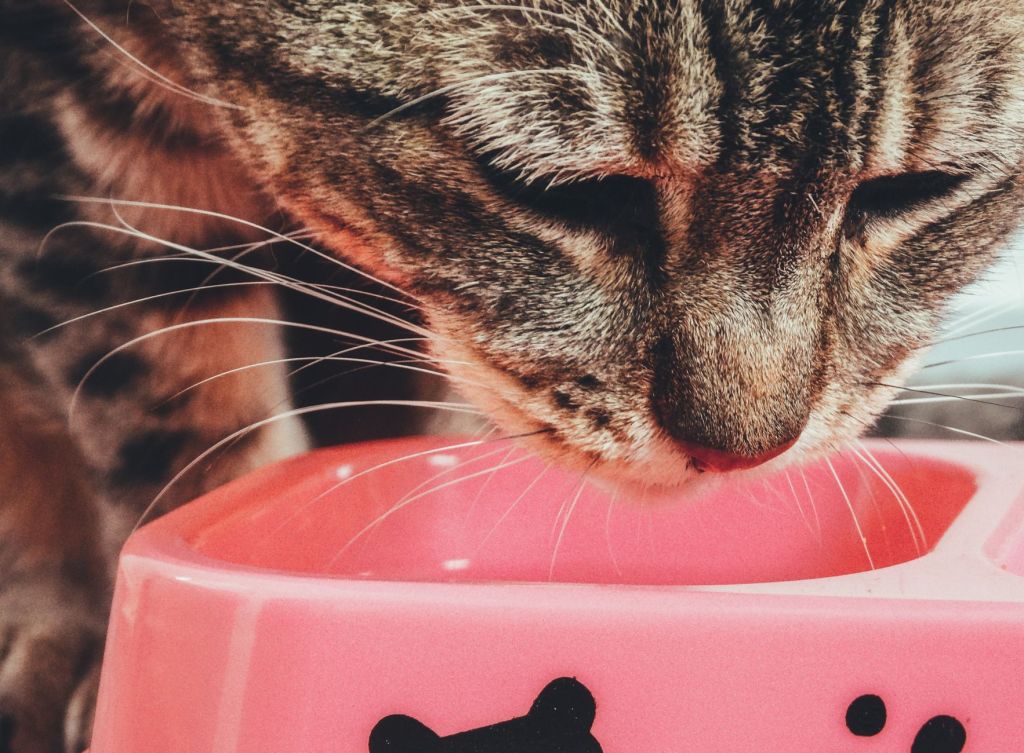
One of the easiest things to notice at home is whether your cat is eating normally. You don’t need to measure every bite. A simple note like “normal,” “ate some,” “ate very little,” or “didn’t eat” can help you spot a pattern.
You can also note changes in food preference. Maybe your cat suddenly walks away from a favorite food, eats better at certain times of day, or seems interested in treats but not regular meals.
If your cat stops eating or you notice a significant change in appetite, contact your veterinarian rather than relying on the tracker alone.
Record Your Cat’s Weight
Weight changes can be hard to notice when you see your cat every day. Writing down your cat’s weight over time can make gradual changes easier to spot.
If you weigh your cat at home, try to use the same scale and a similar routine each time so the numbers are easier to compare.
A simple entry such as “September 3 — 9.8 lb” is much more useful than trying to remember months later what you think your cat weighed.
Pay Attention to Drinking and Litter Box Changes
Cats with kidney disease may drink more water and urinate more often. You don’t necessarily need to measure every ounce unless your veterinarian asks you to.
Instead, write down changes you notice. Are you filling the water bowl more often? Is your cat visiting the fountain more? Are the urine clumps in the litter box larger than usual?
These small observations can be useful when you’re trying to understand how your cat’s routine is changing over time.
Keep Medications and Supplements Organized
Once medications or supplements become part of your cat’s routine, it can be surprisingly easy to forget whether something was already given.
A simple medication record can help you keep track of the name, time given, and any notes your veterinarian has asked you to watch for.
The goal is simply to record what was actually given so you don’t have to rely on memory later. Never start, stop, or change a medication or supplement without talking with your veterinarian.
Write Down Changes You Notice
Not everything you notice will fit neatly into a number. Sometimes the most useful note is simply, “Didn’t come downstairs for breakfast,” “Seemed more tired than usual,” or “Vomited after dinner.”
A daily notes section gives you a place to record those changes without having to decide whether each one is important. Over time, a pattern may become easier to recognize.
Keep Veterinary Visits and Test Results Together
Your day-to-day observations are only part of the picture. It can also help to keep your veterinarian’s notes, appointment dates, weight checks, lab results, medication changes, and follow-up plans in one place.
You don’t need to interpret test results yourself. The goal is simply to keep the information organized so it doesn’t end up scattered between paperwork, emails, screenshots, and notes on your phone.
If you want a more day-to-day approach, see how to keep a daily CKD cat care log. For a broader record-keeping system, this guide explains what to keep in a pet medical binder.
You Don’t Have to Remember Everything
Caring for a cat with a chronic condition already takes a lot of attention. You shouldn’t also have to keep weeks or months of small details in your head.
That’s why I created the Pet Peace Plans Cat CKD Care Tracker — to give cat parents one organized place to record things like appetite, weight, medications, daily changes, vet visits, and other important notes.
Instead of searching through phone notes, calendars, and scraps of paper, you can keep everything together in one place.
A Little Organization Can Bring a Lot of Clarity
You can’t control every part of living with feline kidney disease, but you can make it easier to remember what’s been happening.
Write down the little changes. Keep medications organized. Record the questions that come up between appointments. Save your vet information in one place.
Sometimes peace of mind doesn’t come from having all the answers. Sometimes it starts with simply knowing where the information is.
Pet Peace Plans provides educational and organizational resources for pet owners. This article and our products are not veterinary advice and are not intended to diagnose, treat, cure, or prevent disease. Always talk with your veterinarian about your cat’s individual health and treatment.