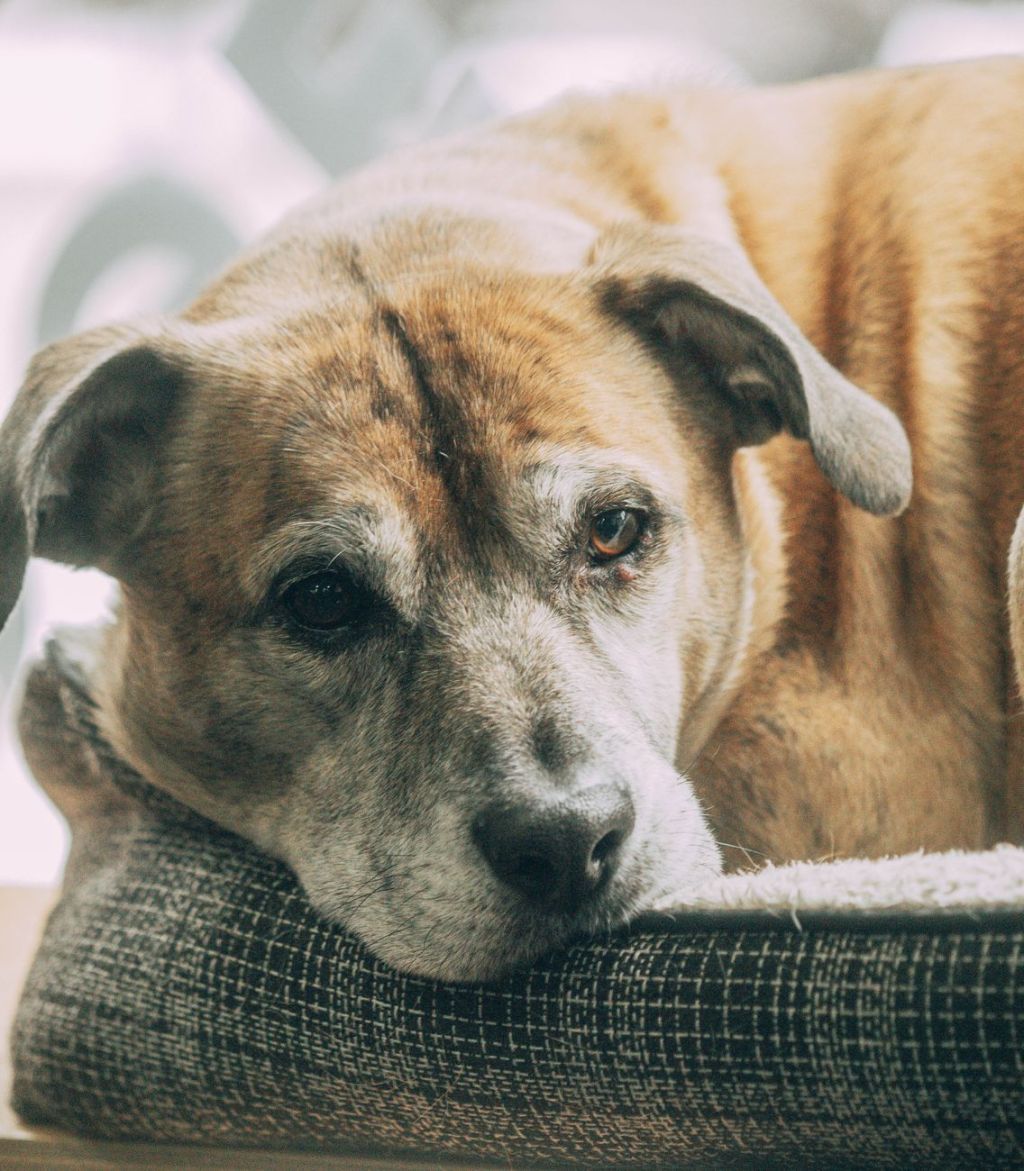
As pets get older, the changes can happen slowly.
Maybe your dog takes longer to get up in the morning. Maybe your cat is sleeping more, eating differently, or no longer jumping onto a favorite spot.
When you see your pet every day, those changes can be surprisingly easy to miss.
Keeping a simple quality-of-life record can help you notice patterns in comfort, mobility, appetite, bathroom habits, sleep, behavior, and interest in everyday activities.
The goal is not to score every moment or make medical decisions on your own. It is to keep a clearer record of how your senior pet is doing over time and give you useful information to discuss with your veterinarian.
What Does Quality of Life Mean for a Senior Pet?
Quality of life is about more than one good or bad day.
It includes things like comfort, mobility, appetite, hydration, bathroom habits, sleep, interest in favorite activities, and how your pet interacts with the people and environment around them.
For a senior pet, the most useful thing to watch is often change over time.
A simple record can help you notice whether your pet is still enjoying the things they normally enjoy, whether everyday activities are becoming harder, and whether certain changes are happening more often.
Track Changes in Mobility
Pay attention to how easily your pet moves through the day.
You may notice changes in walking, climbing stairs, jumping onto furniture, getting into the litter box, standing up after resting, or keeping up on walks.
Write down what you notice and whether the change seems occasional or is becoming more frequent.
Small changes can be easier to recognize when you have a record to look back on, especially when they happen gradually.
Watch Appetite and Hydration
Changes in eating or drinking can be important to notice in an older pet.
Write down whether your pet is eating normally, leaving food behind, showing less interest in meals, or drinking noticeably more or less than usual.
You do not need to measure every bite or sip unless your veterinarian has asked you to. A simple daily note can still help you recognize a pattern.
If you notice a sudden or significant change in appetite or drinking, contact your veterinarian.
Pay Attention to Bathroom Habits
Changes in bathroom habits can be easy to overlook, especially when they happen gradually.
Watch for changes in how often your pet urinates or has bowel movements, whether accidents are becoming more common, or whether getting into position seems more difficult.
For cats, you may also notice changes in litter box use or difficulty getting in and out of the box.
Keeping a simple record can help you see whether these changes are occasional or becoming more frequent.
Notice Changes in Sleep and Comfort
Senior pets may sleep more than they did when they were younger, but changes in sleep can still be worth tracking.
Write down if your pet seems restless at night, has trouble getting comfortable, wakes more often, or starts sleeping in unusual places.
Also pay attention to signs that everyday activities seem less comfortable, such as hesitating before lying down, changing positions frequently, or avoiding favorite resting spots.
A simple note can help you see whether these changes are occasional or becoming more consistent over time.
Watch for Changes in Behavior and Interest
Pay attention to whether your pet still shows interest in the people, activities, and routines they normally enjoy.
You may notice changes in play, affection, grooming, exploring, greeting family members, or spending time in favorite places.
Some senior pets may become more withdrawn, restless, clingy, or confused.
Writing down these changes can help you see whether they are occasional or becoming part of a larger pattern that may be worth discussing with your veterinarian.
Track Good Days and Harder Days
It can help to look at the bigger picture instead of focusing on one difficult moment.
You might keep a simple note of whether the day felt mostly comfortable, mixed, or especially hard for your pet.
Over time, this can help you notice whether good days are still outweighing difficult ones or whether certain problems are becoming more frequent.
This kind of record is not a diagnosis or a medical score. It is simply one more way to organize what you are seeing so you can have a clearer conversation with your veterinarian.
Bring the Patterns to Your Veterinarian
A quality-of-life record is most useful when it helps you describe what you have been seeing at home.
Bring notes about changes in mobility, appetite, bathroom habits, sleep, comfort, behavior, and good or difficult days to your veterinary appointments.
Instead of trying to remember everything on the spot, you will have a clearer picture of what has changed and when.
Your veterinarian can use that information along with an examination and your pet’s medical history to help guide the conversation about your senior pet’s care.
A pet medical binder can help keep senior-pet medications, test results, and veterinary notes together. If a sitter or family member helps with care, a pet sitter instructions checklist can make the daily routine easier to hand off.
Make Senior Pet Changes Easier to Track
When changes happen slowly, it can be hard to remember what was different last week or last month.
That’s why I created the Pet Peace Plans Senior Pet Care & Comfort System — to give pet owners one organized place to track mobility, appetite, bathroom habits, sleep, comfort, behavior, daily notes, and other changes they may want to discuss with their veterinarian.
Instead of relying on memory, you can keep those observations together and look back at how things have changed over time.
Small Changes Are Easier to See When You Write Them Down
Senior pet care can involve a lot of small changes that are easy to miss when you see your pet every day.
Writing down what you notice can make those changes easier to recognize over time.
Track the things that matter most — comfort, movement, appetite, sleep, bathroom habits, behavior, and the activities your pet still enjoys.
You do not need a perfect record. You just need enough information to help you see the bigger picture.
Pet Peace Plans provides educational and organizational resources for pet owners. This article and our products are not veterinary advice and are not intended to diagnose, treat, cure, or prevent disease. Always talk with your veterinarian about changes in your senior pet’s health, comfort, behavior, mobility, or quality of life.