Category: Pet Care Planning

  • Who Would Care for Your Pet If You Couldn’t Get Home Tonight?

    Who Would Care for Your Pet If You Couldn’t Get Home Tonight?

    You leave home expecting to be back before dinner. Then your car breaks down. A flight gets canceled. Someone you love needs you at the hospital, and a quick visit turns into an overnight stay.

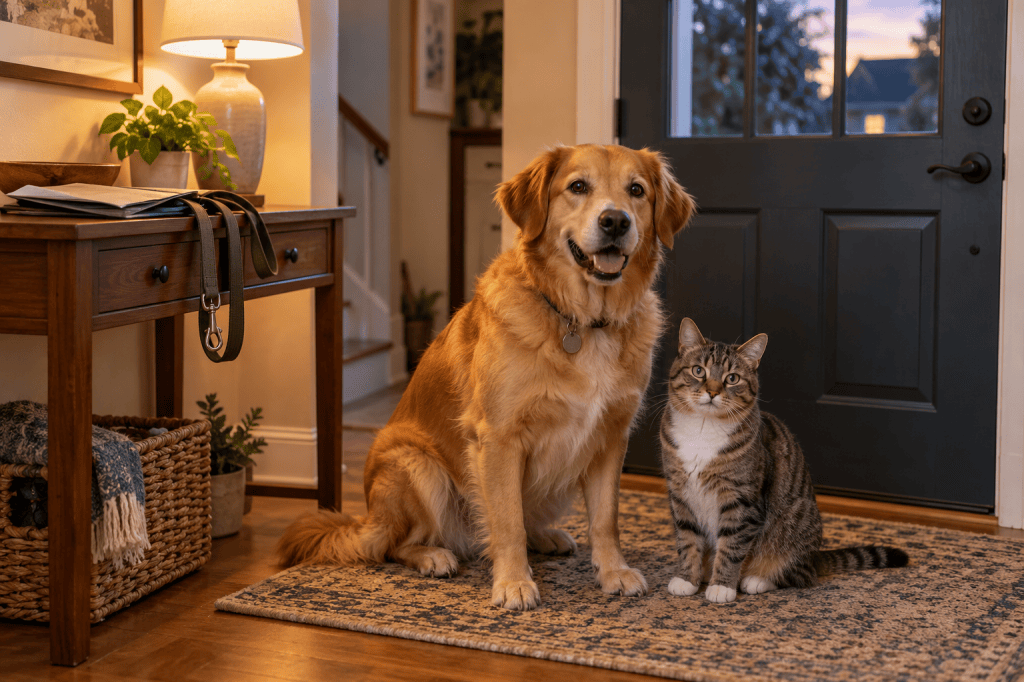
    Meanwhile, your dog is waiting for a walk. Your cat’s dinner is still in the cupboard. And the person who would happily help has no idea where you keep the spare key.

    A pet emergency care plan gives a trusted person a way to step in if you cannot get home. It can be as simple as a named backup caregiver, a secure way into your home, and a short set of care instructions.

    You don’t have to finish a whole binder tonight. Start by answering one question: Who would check on my pet if I couldn’t?

    Choose a backup caregiver—and ask them first

    Having someone in mind is a useful start. Having their agreement is what turns that idea into a plan.

    Choose someone who can realistically reach your home and feels comfortable with your pets. Your closest relative may live an hour away. A nearby friend might be a better person to handle the first visit, with family taking over if you need more help.

    Be honest about what the job involves. A friendly cat who needs dinner is a different responsibility from a large dog who is difficult to walk or a pet who needs skilled medication care.

    Try asking: “If I ever got stuck away from home, would you be comfortable checking on the pets? I’d show you where everything is and leave instructions.”

    If possible, agree on a second person too. Your first choice may be working, traveling, or dealing with the same local disruption.

    For wider emergencies, the CDC recommends a buddy system with a trusted neighbor who can check on pets when you are away.

    Decide how your backup person will know they are needed

    A spare key cannot tell someone you are running late. Agree on how you will activate the plan.

    For an ordinary delay, that might mean a call or text followed by a clear reply confirming they can go. If they do not respond, move to your second contact instead of assuming someone is on the way.

    Also consider what happens if you cannot make that call. Tell a trusted family member or emergency contact that you have pets at home and give them your caregiver’s details. A small wallet card can say that pets are at home and name the person to contact, without displaying your door code.

    If you live alone, you might agree on a check-in arrangement for certain trips or situations. Choose something both people understand and can realistically follow.

    Arrange safe access before you need it

    Do a quick walk-through with your caregiver. Let them try the key or temporary access code while you are there. Show them which door to use and how to keep pets from slipping out.

    Share alarm instructions privately. Keep keys and access codes secure, and avoid putting them on publicly visible notices or social posts.

    Renting or living in a building with controlled entry? Check how an authorized helper can get in. A working apartment key may be little use if they cannot pass the building entrance.

    Write a “first visit” care sheet

    Imagine your helper arriving after work, with a phone full of messages and a hungry pet at their feet. What do they need to know in the next ten minutes?

    • Who is here: each pet’s name and a photo, especially if they look alike.
    • Food and water: what to serve, the measured amount, timing, and where supplies are kept.
    • Bathroom needs: the next walk or potty break, or where to find the litter box and scoop.
    • Important handling notes: escape risks, hiding places, pets that need separate feeding, and anything your helper should avoid.
    • Essential equipment: where to find a leash, harness, carrier, and cleaning supplies.

    Use plain directions. “Half a level cup from the labeled container at 6 p.m.” is easier to follow than “Give him his usual dinner.” Add a date so your helper can tell whether the instructions are current.

    For a more detailed handoff, use our pet sitter instructions checklist.

    Make medication and veterinary information easy to find

    If your pet needs medication, leave the current veterinary instructions and labeled medication together. Arrange a demonstration beforehand if your helper needs to learn how to give it. Make sure they are willing and able to do the task.

    Use a shared record of doses actually given, including the time and caregiver’s name. If instructions are unclear or your helper cannot confirm whether a dose was given, they should contact the veterinarian rather than guess.

    Include your regular vet and an emergency clinic’s phone number and address. Ask your clinic in advance what authorization and payment arrangements it requires if someone else brings your pet in while you are unreachable.

    Our guide to creating a pet emergency information sheet can help you organize those details. The American Animal Hospital Association’s sitter guidance also emphasizes written care instructions and emergency contacts.

    Think beyond the first evening

    One visit may cover a late train. An unexpected overnight stay needs another plan.

    Talk through who can return in the morning, whether your caregiver can stay overnight, and where your pet could go if care at home is not possible. If boarding might be needed, check the facility’s requirements ahead of time.

    For pets with complex care needs, ask your veterinarian about suitable backup care options before a problem arises. Keep the carrier or leash easy to locate if transport becomes necessary.

    Keep the plan somewhere your helper can find it

    Give your caregiver a copy and keep another in an agreed place at home. A digital copy is useful, but a printed version helps if a phone is flat or the internet is down.

    If you prefer ready-made pages, our Boarding & Pet Sitter Planner on Etsy gives you space to organize feeding instructions, routines, medications, and emergency contacts. It’s a Pet Peace Plans digital download you can prepare ahead of time and share with your caregiver. A notebook or a simple document works too.

    Review the plan whenever medication, food, contact details, or home access changes. Give it another quick check before you travel.

    Three things you can do tonight

    • Ask one trusted person whether they can be your backup pet caregiver.
    • Agree on a secure way for them to enter your home.
    • Write down the next meal, bathroom needs, essential care instructions, and vet contacts.

    Your dog will still expect that evening walk. Your cat will still have opinions about dinner being late. Giving someone the information and access to help means their familiar care can continue, even when your day takes an unexpected turn.


  • National Animal Safety and Protection Month: Simple Ways to Keep Your Pet Safer

    National Animal Safety and Protection Month: Simple Ways to Keep Your Pet Safer

    October is National Animal Safety and Protection Month, a reminder to look at the everyday things that help keep the animals in our lives safer. It does not have to mean buying a cabinet full of emergency supplies or turning your house upside down. Most pet safety comes down to knowing where important information is, noticing changes early, and having a plan before something goes wrong.

    For pet owners, that can be as simple as checking an ID tag, updating a medication list, or making sure the person caring for your pet knows who to call in an emergency.

    Start With the Safety Basics You Use Every Day

    Some of the most useful safety steps are also the easiest to overlook because they are part of everyday life. Walk through your home with your pet in mind. Are medications, cleaners, cords, small objects, and foods your pet should not have kept out of reach? Are gates, screens, fences, carriers, and leashes still secure and in good condition?

    If your pet wears a collar, check that the identification information is current and readable. If your pet is microchipped, make sure the registration still has your current phone number and address. Identification only helps when the information connected to it is up to date.

    Keep Emergency Information Somewhere Easy to Find

    During an emergency, nobody wants to search through old emails, drawers, and appointment paperwork for a veterinarian’s phone number or a medication name.

    A simple emergency information sheet can keep the basics together: your pet’s name, veterinarian, emergency clinic, medications, allergies, medical conditions, and a backup contact. Our guide on what to include on a pet emergency information sheet walks through the information worth keeping in one place.

    If you want a ready-to-use version, Pet Peace Plans also has a free pet emergency information sheet you can download and keep with your pet’s records.

    Make a Plan for the Unexpected

    Emergencies are stressful partly because they force us to make a lot of decisions quickly. A little planning ahead can remove some of those decisions.

    • Know which emergency veterinary clinic you would use after normal office hours.
    • Keep a carrier, leash, or other safe transport option where you can reach it quickly.
    • Decide who could care for your pet if you were unexpectedly unable to get home.
    • Keep a recent photo of your pet available.
    • Know where medications and important records would go if you needed to leave home quickly.

    You do not need an elaborate disaster plan to start. A simple, realistic plan that everyone in the household understands is much more useful than a complicated one nobody can remember.

    Keep Medications and Health Records Organized

    Pet safety also means being able to give accurate information when your veterinarian asks for it. Keep an updated medication list, vaccination information, recent test results, allergies, and important medical history together.

    If your pet has an ongoing condition, a daily log can make it easier to notice changes in appetite, weight, behavior, bathroom habits, symptoms, or medication routines. You do not have to rely on memory when you have written information to look back on.

    If your records are scattered in several places, our pet medical binder guide explains which records are useful to keep together.

    Make Sure a Pet Sitter Knows More Than the Feeding Schedule

    If someone else cares for your pet, safety information should be part of the handoff. A sitter needs the daily routine, but they should also know about medications, behavior concerns, escape risks, emergency contacts, veterinary information, and what you want them to do if something seems wrong.

    Writing this down is easier than trying to explain everything while you are heading out the door. The Pet Sitter Instructions Checklist covers the information that is easy to forget until someone needs it.

    Pay Attention to Changes in Your Pet

    You know what is normal for your pet better than anyone. A change in eating, drinking, movement, sleep, bathroom habits, energy, or behavior may be worth writing down, especially if it continues or happens along with other changes.

    Tracking does not replace veterinary care, and a log cannot tell you what is causing a change. What it can do is give you clearer information to share with your veterinarian. If you think your pet is sick, injured, or experiencing an emergency, contact a veterinarian or emergency veterinary clinic.

    Do a Quick Pet Safety Check This October

    National Animal Safety and Protection Month is a good excuse to spend 15 or 20 minutes checking the things we usually assume are already handled.

    • Is your pet’s ID information current?
    • Do you know where you would go for an after-hours veterinary emergency?
    • Are medications and health records easy to find?
    • Does a backup caregiver know your pet’s routine and important safety information?
    • Are household hazards stored securely?
    • Could you grab the information and supplies your pet needs quickly if you had to leave home?

    You do not need to prepare for every possible situation. The goal is simply to make the most important information easier to find and the most likely problems a little easier to handle.

    Prepared Does Not Have to Mean Complicated

    Pet safety is usually built from small habits: keeping records current, storing hazards carefully, noticing changes, and making sure someone else could step in if needed.

    National Animal Safety and Protection Month is a useful reminder to check those basics. A few minutes of organization now can make a stressful situation easier later—and help you spend less time searching for information when your pet needs your attention most.

  • Pet Medical Binder: What Records Should You Keep for Your Dog or Cat?

    Pet Medical Binder: What Records Should You Keep for Your Dog or Cat?

    Pet medical information has a way of ending up everywhere.

    A vaccination record in one email. Medication instructions in a drawer. Lab results in a patient portal. Notes from the last appointment on your phone.

    Most of the time, that works — until you actually need to find something quickly.

    A simple pet medical binder can help keep your dog’s or cat’s important health information organized in one place, so it is easier to review before appointments, share with a pet sitter, or find during an emergency.

    You do not need to save every piece of paper your pet has ever received. The goal is to keep the records that are most useful and most likely to be lost.

    Start With Basic Pet Information

    Start with the details that identify your pet and give context to the records in the binder.

    Include your pet’s name, species, breed, age, sex, color or markings, microchip number, and your regular veterinarian’s contact information.

    You can also include a recent photo, especially if you keep a printed version of the binder.

    Keeping this information at the front makes the rest of the records easier to understand and easier to share if someone else needs to help care for your pet.

    Keep Vaccination and Preventive Care Records Together

    Keep copies of your pet’s vaccination records in one place so you can find them quickly when they are needed.

    This can be especially useful for boarding, grooming, travel, training classes, or switching veterinary clinics.

    You may also want to keep notes about preventive care such as parasite prevention, dental care, and routine wellness visits.

    The goal is not to create a complicated medical file. It is simply to make the important records easier to find when someone asks for them.

    Keep a Current Medication List

    Keep an up-to-date list of any medications or supplements your pet takes.

    Include the medication name, amount, how often it is given, and any special instructions from your veterinarian.

    If a medication is stopped or changed, note the date so your records stay current.

    A clear medication list can be especially helpful during an emergency, when seeing a new veterinarian, or when someone else is caring for your pet.

    Save Important Test Results and Visit Notes

    Keep copies of important lab results, imaging reports, discharge instructions, and notes from veterinary visits.

    You do not need to keep every routine reminder or receipt. Focus on records that help explain your pet’s health history, ongoing conditions, treatment changes, or follow-up plans.

    It can also help to write down questions before appointments and add a few notes afterward about what your veterinarian recommended.

    Keeping these records together makes it easier to look back at what changed and when.

    Record Medical Conditions and Allergies

    Keep a clear list of any diagnosed medical conditions, known allergies, past surgeries, or important health concerns.

    If your pet has an ongoing condition, include the date it was diagnosed and any notes your veterinarian has given you about monitoring or follow-up care.

    For allergies, write down what your pet is allergic to and what kind of reaction has occurred, if known.

    Having this information in one place can make it easier to give an unfamiliar veterinarian, pet sitter, or emergency clinic a quick overview of your pet’s medical history.

    Include Emergency Contacts and Care Information

    Keep your regular veterinarian, emergency clinic, and backup contact information somewhere easy to find.

    You can also include your pet’s microchip number, medication list, known allergies, and any important instructions someone may need if you cannot be reached.

    This is especially useful if your pet is staying with a sitter, boarding facility, family member, or anyone else who may need to make quick decisions.

    Keeping emergency information with the rest of your pet’s records can save time when details matter most.

    Keep the Binder Simple and Easy to Update

    A pet medical binder only works if it is easy to use.

    Group similar information together so you can find what you need quickly. You might keep sections for basic information, vaccinations, medications, test results, medical conditions, emergency contacts, and veterinary notes.

    If you prefer digital records, you can organize the same information in folders on your computer or phone.

    The format matters less than keeping the information current and easy to find when you need it.

    For quick-access details, see what to include on a pet emergency information sheet. If another person helps care for your pet, a pet sitter instructions checklist can keep routines and contacts in one place.

    Keep Emergency Information Easy to Grab

    A full medical binder is useful for long-term records, but it also helps to have one quick-reference page for emergencies.

    Your emergency sheet can include your pet’s veterinarian, emergency clinic, medications, allergies, medical conditions, backup contact, and other information someone may need right away.

    Keep a printed copy with your pet’s binder, carrier, or supplies, and keep a digital copy somewhere easy to access.

    Keep Your Pet’s Records Together

    Pet medical information can pile up quickly — especially when you are dealing with medications, test results, appointments, emergency contacts, and ongoing health conditions.

    That’s why Pet Peace Plans creates trackers and care planners designed to help keep important pet information organized in one place.

    Whether you are managing a chronic condition, preparing for a pet sitter, or simply trying to keep better records, a consistent system can make information easier to find and use.

    Good Records Make Important Information Easier to Find

    You do not need a perfect filing system to keep better pet records.

    Start with the information you are most likely to need: medications, vaccinations, medical conditions, emergency contacts, test results, and notes from important veterinary visits.

    Keep it somewhere easy to access and update it when something changes.

    A little organization now can save a lot of searching later.

    Pet Peace Plans provides educational and organizational resources for pet owners. This article and our products are not veterinary advice. Always talk with your veterinarian about your pet’s individual health, medications, test results, and medical care.

  • Senior Pet Quality of Life: What Changes Are Worth Tracking?

    Senior Pet Quality of Life: What Changes Are Worth Tracking?

    As pets get older, the changes can happen slowly.

    Maybe your dog takes longer to get up in the morning. Maybe your cat is sleeping more, eating differently, or no longer jumping onto a favorite spot.

    When you see your pet every day, those changes can be surprisingly easy to miss.

    Keeping a simple quality-of-life record can help you notice patterns in comfort, mobility, appetite, bathroom habits, sleep, behavior, and interest in everyday activities.

    The goal is not to score every moment or make medical decisions on your own. It is to keep a clearer record of how your senior pet is doing over time and give you useful information to discuss with your veterinarian.

    What Does Quality of Life Mean for a Senior Pet?

    Quality of life is about more than one good or bad day.

    It includes things like comfort, mobility, appetite, hydration, bathroom habits, sleep, interest in favorite activities, and how your pet interacts with the people and environment around them.

    For a senior pet, the most useful thing to watch is often change over time.

    A simple record can help you notice whether your pet is still enjoying the things they normally enjoy, whether everyday activities are becoming harder, and whether certain changes are happening more often.

    Track Changes in Mobility

    Pay attention to how easily your pet moves through the day.

    You may notice changes in walking, climbing stairs, jumping onto furniture, getting into the litter box, standing up after resting, or keeping up on walks.

    Write down what you notice and whether the change seems occasional or is becoming more frequent.

    Small changes can be easier to recognize when you have a record to look back on, especially when they happen gradually.

    Watch Appetite and Hydration

    Changes in eating or drinking can be important to notice in an older pet.

    Write down whether your pet is eating normally, leaving food behind, showing less interest in meals, or drinking noticeably more or less than usual.

    You do not need to measure every bite or sip unless your veterinarian has asked you to. A simple daily note can still help you recognize a pattern.

    If you notice a sudden or significant change in appetite or drinking, contact your veterinarian.

    Pay Attention to Bathroom Habits

    Changes in bathroom habits can be easy to overlook, especially when they happen gradually.

    Watch for changes in how often your pet urinates or has bowel movements, whether accidents are becoming more common, or whether getting into position seems more difficult.

    For cats, you may also notice changes in litter box use or difficulty getting in and out of the box.

    Keeping a simple record can help you see whether these changes are occasional or becoming more frequent.

    Notice Changes in Sleep and Comfort

    Senior pets may sleep more than they did when they were younger, but changes in sleep can still be worth tracking.

    Write down if your pet seems restless at night, has trouble getting comfortable, wakes more often, or starts sleeping in unusual places.

    Also pay attention to signs that everyday activities seem less comfortable, such as hesitating before lying down, changing positions frequently, or avoiding favorite resting spots.

    A simple note can help you see whether these changes are occasional or becoming more consistent over time.

    Watch for Changes in Behavior and Interest

    Pay attention to whether your pet still shows interest in the people, activities, and routines they normally enjoy.

    You may notice changes in play, affection, grooming, exploring, greeting family members, or spending time in favorite places.

    Some senior pets may become more withdrawn, restless, clingy, or confused.

    Writing down these changes can help you see whether they are occasional or becoming part of a larger pattern that may be worth discussing with your veterinarian.

    Track Good Days and Harder Days

    It can help to look at the bigger picture instead of focusing on one difficult moment.

    You might keep a simple note of whether the day felt mostly comfortable, mixed, or especially hard for your pet.

    Over time, this can help you notice whether good days are still outweighing difficult ones or whether certain problems are becoming more frequent.

    This kind of record is not a diagnosis or a medical score. It is simply one more way to organize what you are seeing so you can have a clearer conversation with your veterinarian.

    Bring the Patterns to Your Veterinarian

    A quality-of-life record is most useful when it helps you describe what you have been seeing at home.

    Bring notes about changes in mobility, appetite, bathroom habits, sleep, comfort, behavior, and good or difficult days to your veterinary appointments.

    Instead of trying to remember everything on the spot, you will have a clearer picture of what has changed and when.

    Your veterinarian can use that information along with an examination and your pet’s medical history to help guide the conversation about your senior pet’s care.

    A pet medical binder can help keep senior-pet medications, test results, and veterinary notes together. If a sitter or family member helps with care, a pet sitter instructions checklist can make the daily routine easier to hand off.

    Make Senior Pet Changes Easier to Track

    When changes happen slowly, it can be hard to remember what was different last week or last month.

    That’s why I created the Pet Peace Plans Senior Pet Care & Comfort System — to give pet owners one organized place to track mobility, appetite, bathroom habits, sleep, comfort, behavior, daily notes, and other changes they may want to discuss with their veterinarian.

    Instead of relying on memory, you can keep those observations together and look back at how things have changed over time.

    Small Changes Are Easier to See When You Write Them Down

    Senior pet care can involve a lot of small changes that are easy to miss when you see your pet every day.

    Writing down what you notice can make those changes easier to recognize over time.

    Track the things that matter most — comfort, movement, appetite, sleep, bathroom habits, behavior, and the activities your pet still enjoys.

    You do not need a perfect record. You just need enough information to help you see the bigger picture.

    Pet Peace Plans provides educational and organizational resources for pet owners. This article and our products are not veterinary advice and are not intended to diagnose, treat, cure, or prevent disease. Always talk with your veterinarian about changes in your senior pet’s health, comfort, behavior, mobility, or quality of life.

  • Pet Emergency Information Sheet: What Information Should You Include?

    Pet Emergency Information Sheet: What Information Should You Include?

    If something unexpected happens, the last thing you want to do is search through your phone, paperwork, and kitchen drawers trying to find your pet’s important information.

    A simple pet emergency information sheet can keep the details you may need most in one easy-to-find place.

    That can include your veterinarian’s contact information, emergency clinic details, medications, allergies, medical conditions, microchip information, feeding notes, and the name of someone who can help if you cannot be reached.

    You may never need to use all of it in an emergency. But having it ready can make a stressful situation easier to manage.

    Start With Your Pet’s Basic Information

    Start with the details that identify your pet and make it easier for someone else to understand who they are.

    Include your pet’s name, species, breed, age, sex, color or markings, and microchip number if they have one.

    You can also include a recent photo, especially if you keep a printed copy of the emergency sheet.

    These basic details may seem simple, but they can be useful if your pet is lost, taken to an unfamiliar clinic, or being cared for by someone who does not know their history.

    Add Your Veterinarian and Emergency Clinic Information

    Write down the name, phone number, and address for your regular veterinarian.

    Then add the contact information for the nearest emergency veterinary clinic you would use if your regular vet is closed.

    It can also help to include the clinic’s hours and any instructions you already know about where to go after hours.

    Keeping this information in one place means you do not have to search for it during a stressful situation.

    List Medications, Allergies, and Medical Conditions

    Write down any medications your pet currently takes, including the name, amount, and how often it is given.

    Also include known allergies, ongoing medical conditions, previous serious health issues, and anything else an emergency veterinarian or pet sitter should know.

    If your pet has a condition that requires special handling or specific instructions, make that information easy to spot.

    Keeping these details together can save time when someone needs to understand your pet’s health history quickly.

    Include a Backup Emergency Contact

    Choose at least one trusted person who can help if you cannot be reached.

    Include their name, phone number, and relationship to you.

    If that person is allowed to make decisions about your pet’s care in an emergency, make that clear too.

    A backup contact can be especially helpful if you are traveling, unavailable, or unable to respond right away.

    Add Feeding and Daily Care Notes

    Include the basics of your pet’s normal routine so someone else can step in if needed.

    Write down what your pet eats, how much they get, when they are normally fed, where supplies are kept, and any important daily care instructions.

    If your pet has special routines, mobility needs, bathroom habits, or behaviors someone should know about, include those too.

    The goal is to make the sheet useful not only in a medical emergency, but also if a trusted person suddenly needs to care for your pet.

    Keep the Information Easy to Find

    An emergency information sheet only helps if you can actually find it when you need it.

    Keep a printed copy somewhere easy to access, such as near your pet’s supplies, inside a care binder, or with your pet carrier.

    It can also be helpful to keep a digital copy on your phone or computer and share one with a trusted family member or pet sitter.

    Review the information occasionally and update anything that changes, especially medications, veterinarian details, emergency contacts, and medical conditions.

    If someone else may care for your pet, pair this information with a pet sitter instructions checklist. For a fuller record-keeping system, see what to keep in a pet medical binder.

    Use a Pet Emergency Information Sheet

    You do not need to build an emergency sheet from scratch.

    I created a free Pet Peace Plans Pet Emergency Information Sheet to give you one simple place to record your pet’s veterinarian, medications, allergies, medical conditions, emergency contacts, feeding notes, and other important information.

    Fill it out now, keep it somewhere easy to find, and update it whenever your pet’s information changes.

    A Little Preparation Can Save a Lot of Stress

    Emergencies are stressful enough without having to search for basic information.

    A simple pet emergency sheet can help you keep important details organized, easy to find, and ready to share if someone else needs to step in.

    You may never need every piece of information on the sheet, but having it prepared can make an unexpected situation easier to handle.

    Pet Peace Plans provides educational and organizational resources for pet owners. This article and our products are not veterinary advice and are not intended to diagnose, treat, cure, or prevent disease. If you have concerns about your pet’s health or believe your pet may be experiencing an emergency, contact your veterinarian or an emergency veterinary clinic.

  • Pet Sitter Instructions Checklist: What Your Sitter Actually Needs to Know

    Pet Sitter Instructions Checklist: What Your Sitter Actually Needs to Know

    Leaving your pet with a sitter can be stressful — especially when you’re trying to explain everything at the last minute.

    What time do they eat?

    Where is the medication?

    Which door sticks?

    What happens if they refuse breakfast?

    Who should the sitter call if something goes wrong?

    A clear set of pet sitter instructions can make the handoff much easier for everyone.

    The goal is not to write a novel. It is to give your sitter the practical information they need to care for your pet confidently and know what to do if something unexpected happens.

    Start With the Basics

    Start with the information your sitter will need right away.

    Include your pet’s name, age, feeding schedule, normal routine, where supplies are kept, and anything your sitter should know about your home.

    If your pet has a favorite hiding spot, a habit of slipping through a certain door, or a routine that helps them settle, write that down too.

    The more practical the information is, the easier it will be for your sitter to step into your pet’s normal routine without having to guess.

    Write Down the Feeding Routine

    Write down exactly what your pet eats, how much they get, and when they are normally fed.

    Include where the food is stored, whether treats are allowed, and anything your sitter should avoid giving.

    If your pet is picky, eats slowly, needs food mixed a certain way, or has a routine that helps them eat, include that too.

    A simple feeding schedule can prevent confusion and help your sitter keep your pet’s routine as normal as possible.

    List Medications and Special Care Instructions

    If your pet takes medication, write down the name, amount, timing, and exactly how it should be given.

    Include where the medication is stored and any special instructions your veterinarian has given you.

    If your pet has allergies, medical conditions, mobility needs, or other care requirements, list those clearly too.

    Do not rely on memory or assume your sitter will know what to do. Clear written instructions can make an important difference if your pet needs special care while you are away.

    Include Emergency Contacts and Vet Information

    Make sure your sitter knows exactly who to contact if something goes wrong.

    Include your regular veterinarian’s name and phone number, the nearest emergency veterinary clinic, and at least one backup contact who can make decisions if you cannot be reached.

    It is also helpful to write down where your pet’s carrier, leash, medication list, and important records are kept.

    The goal is to make sure your sitter is not searching for information during a stressful situation.

    Explain the Daily Routine

    Write down the parts of your pet’s normal day that help them feel comfortable and settled.

    Include things like walk times, potty breaks, playtime, bedtime routines, favorite toys, sleeping spots, and any household rules your sitter should follow.

    If your pet gets anxious when left alone, reacts to certain noises, or has a habit your sitter should expect, include that too.

    The goal is not to control every minute of the day. It is to give your sitter enough information to keep your pet’s routine familiar while you are away.

    Tell Your Sitter What to Do if Something Seems Wrong

    Your sitter should know what changes or situations you want them to take seriously.

    Write down anything they should watch for, such as refusing food, repeated vomiting, unusual weakness, difficulty breathing, changes in bathroom habits, or behavior that is very different from normal.

    Be clear about who they should contact first and what you want them to do if they cannot reach you.

    If your pet has a known medical condition, include any specific instructions your veterinarian has already given you for situations that may come up.

    Don’t Forget the Little Household Details

    Some of the most useful pet sitter instructions have nothing to do with food or medication.

    Write down details like which doors should stay closed, where cleaning supplies are kept, what to do with mail or packages, whether your pet is allowed on furniture, and anything unusual about locks, alarms, gates, or the yard.

    If your pet has a favorite hiding place or a habit of sneaking into a certain room, include that too.

    Small details like these can prevent confusion and make the stay much easier for your sitter.

    Before you leave, it can help to prepare a pet emergency information sheet and keep important medical records together in a pet medical binder so your sitter knows where to look if something comes up.

    Make Pet Sitting Easier to Hand Off

    When you’re getting ready to leave town, it’s easy to realize how much pet-care information normally lives in your head.

    That’s why I created the Pet Peace Plans Boarding & Pet Sitter Planner — to give pet owners one organized place to keep feeding instructions, medications, emergency contacts, routines, household notes, and other important care details.

    Instead of writing a last-minute note or sending multiple text messages, you can leave your sitter with clear information in one place.

    A Little Preparation Can Make Leaving Easier

    Leaving your pet with someone else can feel a lot less stressful when the important details are already written down.

    You don’t need to create pages of complicated instructions. Focus on the information your sitter is most likely to need, keep it easy to find, and update it whenever your pet’s routine or care changes.

    A clear plan gives your sitter more confidence and gives you one less thing to worry about while you’re away.

    Pet Peace Plans provides educational and organizational resources for pet owners. This article and our products are not veterinary advice. If you have questions about your pet’s health, medications, or medical needs, talk with your veterinarian.