The holidays bring warm meals, bright decorations, family visits, and plenty of excitement. They also bring a few surprises for our dogs and cats. A curious nose near the dessert table or a playful paw in the Christmas tree can turn a happy evening into a stressful one.
The good news is that you don’t need a complicated plan. A few thoughtful precautions can help your pets stay comfortable and safe while your family enjoys the season.
1. Keep Holiday Foods Away From Curious Paws
Holiday kitchens are full of tempting smells, but several common foods can make pets seriously ill. Keep chocolate, grapes, raisins, onions, garlic, alcohol, and sugar-free sweets containing xylitol well out of reach. Fatty leftovers can trigger stomach upset or pancreatitis, and cooked poultry bones can splinter or cause blockages.
Remind guests not to offer table scraps, even when your pet gives them that irresistible look. If you want to include your dog or cat in the meal, offer an appropriate pet treat, or ask your veterinarian whether a small portion of plain, fully cooked, boneless, unseasoned turkey is suitable for them.
2. Choose Decorations With Your Pets in Mind
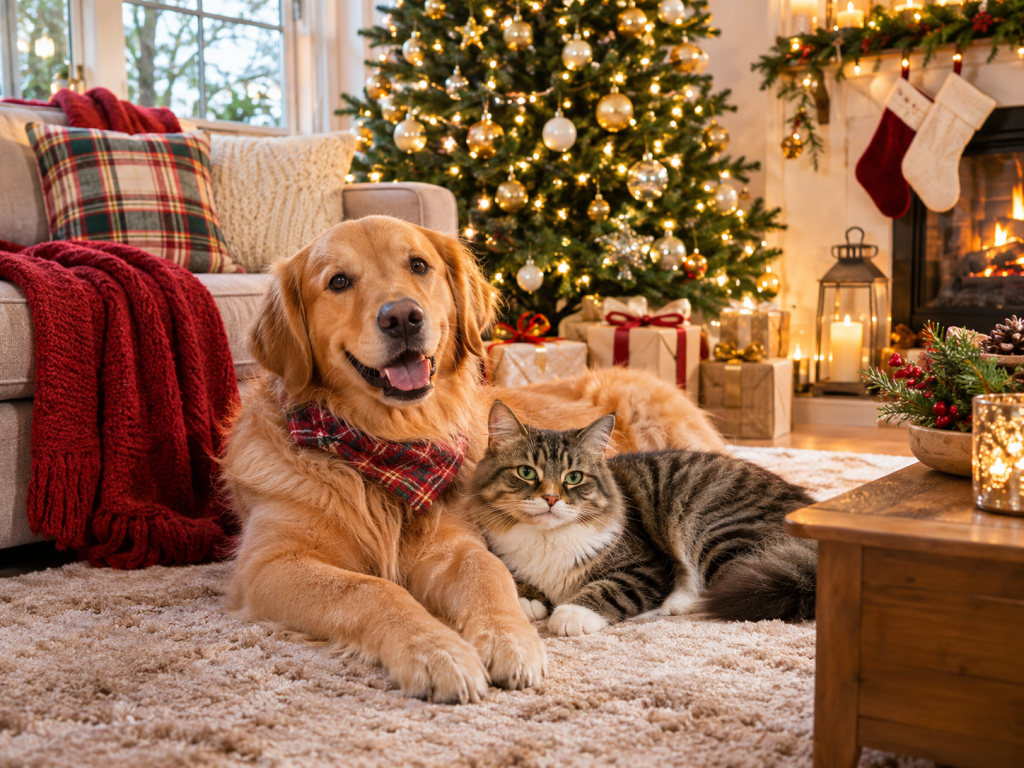
A sparkling tree can look like a giant toy to a cat. Secure the tree so it can’t topple, keep delicate ornaments higher up, and skip tinsel and loose curling ribbon altogether. Swallowed string-like materials can cause serious intestinal injuries.
Keep cords and batteries away from chewing pets, cover the water reservoir beneath a live Christmas tree, and never leave lit candles unattended. Lilies are particularly dangerous for cats and should not be brought into a home where cats might encounter them. Holly and mistletoe can also cause problems; poinsettias are generally less dangerous but can irritate the mouth and stomach.
3. Give Pets a Quiet Retreat When Guests Arrive
A room full of people may feel festive to us but overwhelming to a nervous dog or cat. Before company arrives, set aside a peaceful space with a familiar bed, water, toys, and a place to hide or rest.
Tell guests to let pets approach on their own terms, and supervise young children around animals. Your pet doesn’t have to greet every visitor to be part of the celebration.
4. Watch Doors, ID Tags, and Microchips
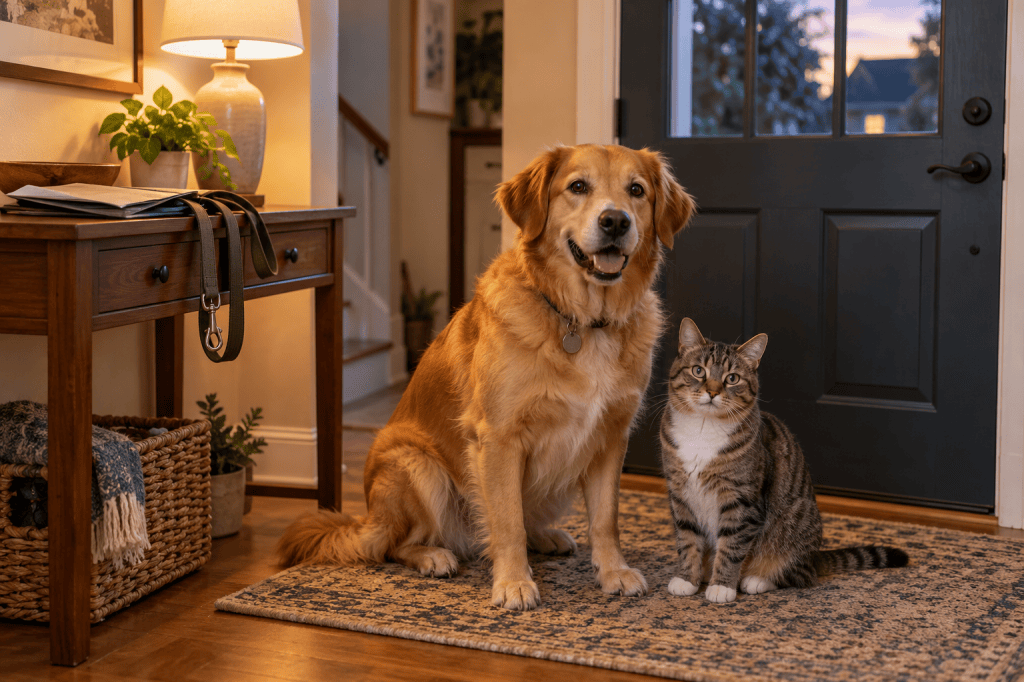
Holiday visitors are constantly coming and going. With doors opening for coats, gifts, and grocery bags, an anxious or adventurous pet can slip outside in seconds.
Check that collar tags display a current phone number and microchip registration is up to date. If your pet is likely to bolt, keep them safely in another room while visitors arrive and leave.
5. Take Extra Care in Winter Weather
Cold weather can be tough on senior pets, small dogs, short-haired breeds, and animals with medical conditions. Limit exposure when conditions are severe, dry your dog after walks, and wipe their paws to remove ice, road salt, and deicing chemicals.
Store antifreeze securely and clean spills promptly because it is highly poisonous. On cold mornings, check around your vehicle and make noise before starting it in case a cat has sheltered nearby.
6. Keep Meals, Walks, and Medication on Schedule
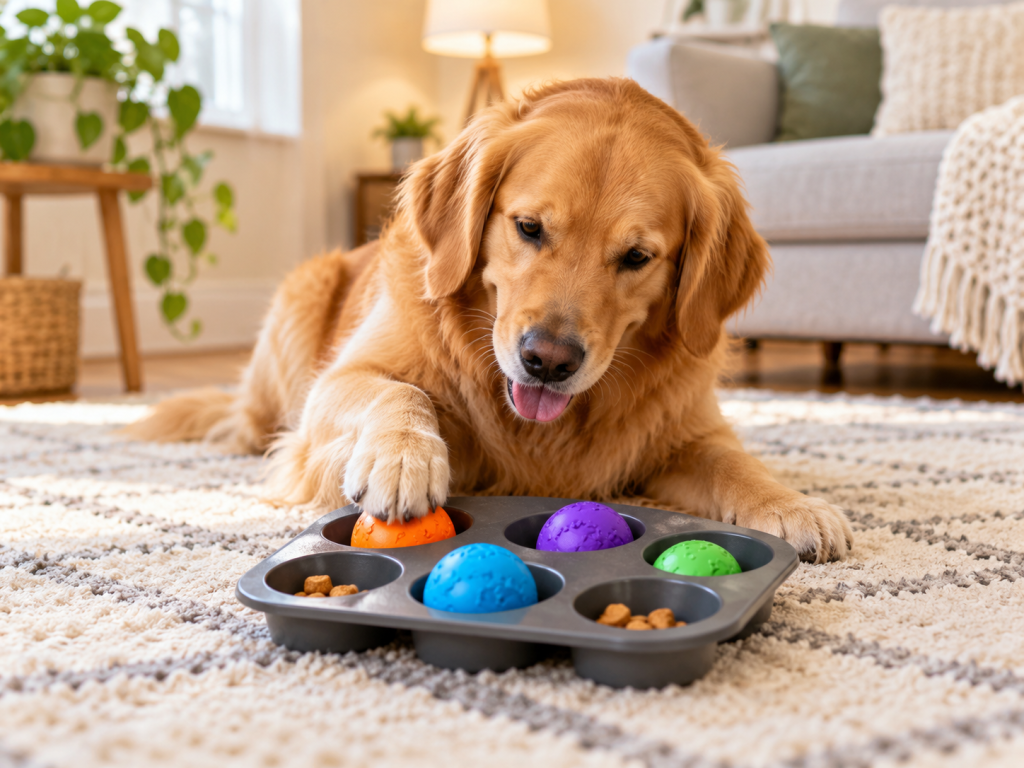
With holiday errands, travel, and visitors, routines can easily get disrupted. But predictable meals, walks, playtime, and rest often help pets feel secure.
If your pet needs daily medication or a special diet, keep the instructions visible for everyone helping with care. A written routine is especially useful if your family travels or a pet sitter steps in.
7. Prepare for a Holiday Emergency Before One Happens
No one plans for a late-night veterinary visit, but knowing what to do ahead of time can save precious minutes. Save the number and address of your regular veterinarian and a nearby 24-hour emergency clinic. Keep a current list of medications, allergies, health conditions, and a trusted backup caregiver.
You can also save the ASPCA Animal Poison Control Center number: 888-426-4435 (a consultation fee may apply). If you think your pet has eaten something toxic, call your veterinarian or an animal poison control service promptly. Do not induce vomiting unless a veterinary professional instructs you to do so.
If you are traveling or could be delayed getting home, our Pet Peace Plans Boarding & Pet Sitter Planner on Etsy is a printable digital download that helps keep feeding routines, medications, and emergency contacts organized for someone caring for your pet. You can also use our pet emergency information sheet guide to make a quick-reference list.
8. Make New Memories Without Adding New Risks
A cozy nap near the tree, a favorite pet-safe toy, or an extra walk together can mean more to your pet than any elaborate celebration. If they enjoy a family photo, wonderful. If they’d rather curl up away from the noise, that’s wonderful too.
A Safer Holiday Is a Happier Holiday
Some of the sweetest holiday memories are simple ones: your dog dozing beside the couch, your cat tucked into a warm blanket, or familiar paws following you into the kitchen. A little preparation can help protect those moments.
From Pet Peace Plans, here’s wishing you and your four-legged family members a peaceful, happy, and safe holiday season.
Pet Peace Plans shares educational and organizational information, not veterinary advice. For symptoms of illness, suspected poisoning, or an emergency, contact your veterinarian or an emergency veterinary clinic.